Grading is not a morality play — it is a price mechanism. A slab multiplies cards that already have market gravity, and it punishes cards that do not. Before you ship anything to California or Texas, run the maths: grading fee plus insured postage plus the spread between the grade you hope for and the grade you will probably get.
When grading pays for itself
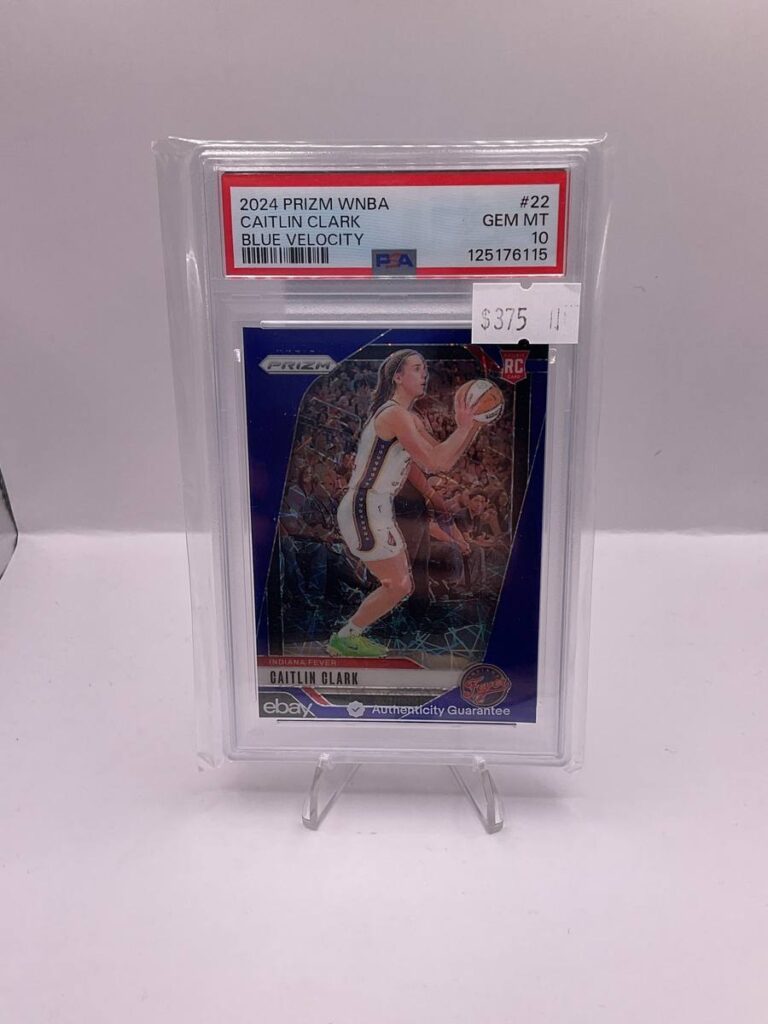
The rule of thumb in the shop: if a PSA 10 of the card sells for less than four times the raw price, think twice. Modern chromium rookies, on-card autos, short prints and vintage stars with clean surfaces are the usual candidates. Base cards from mass retail — even beautiful ones — rarely survive the arithmetic.
PSA vs BGS for UK submitters
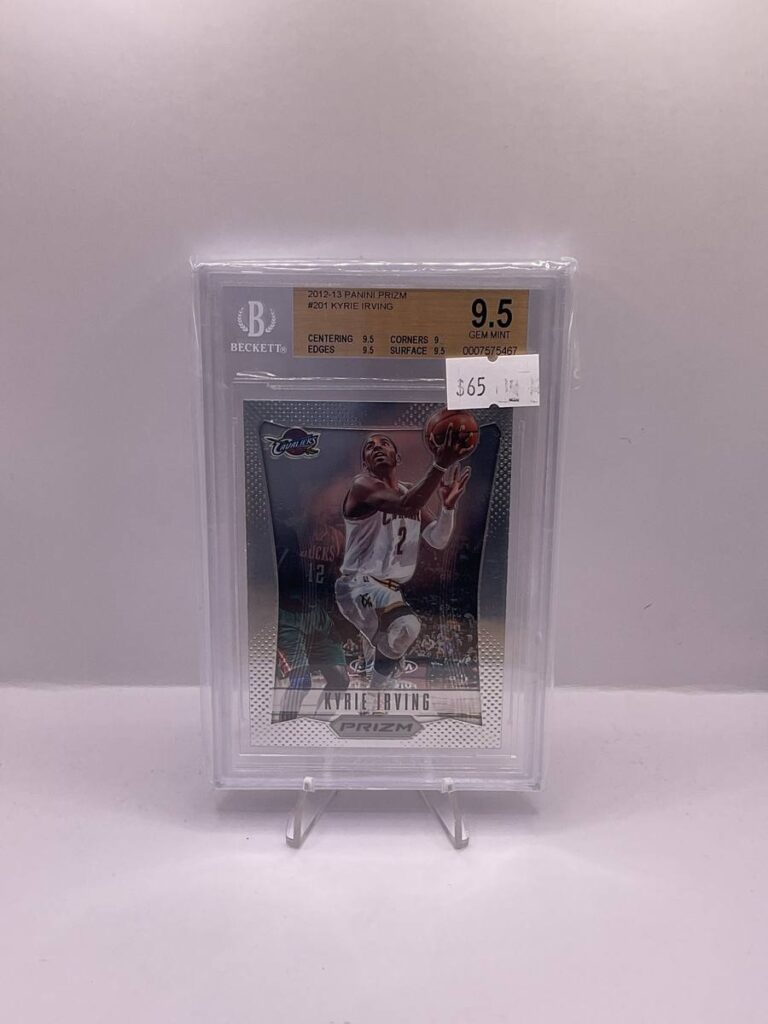
PSA is the market’s language: a PSA 10 is instantly understood by every buyer on earth, and the cert lookup is friction-free. BGS subgrades reward precision and can price a pristine 9.5 near a PSA 10, especially on chrome. SGC and CGC have their niches (vintage and TCG respectively) and both now have sensible UK group-submission routes. For a first submission, join a group sub — half the admin, cheaper postage, and someone else does the spreadsheet. Inspect under a raking light before you commit: the surface, not the corner, is where modern cards die at grading intake.