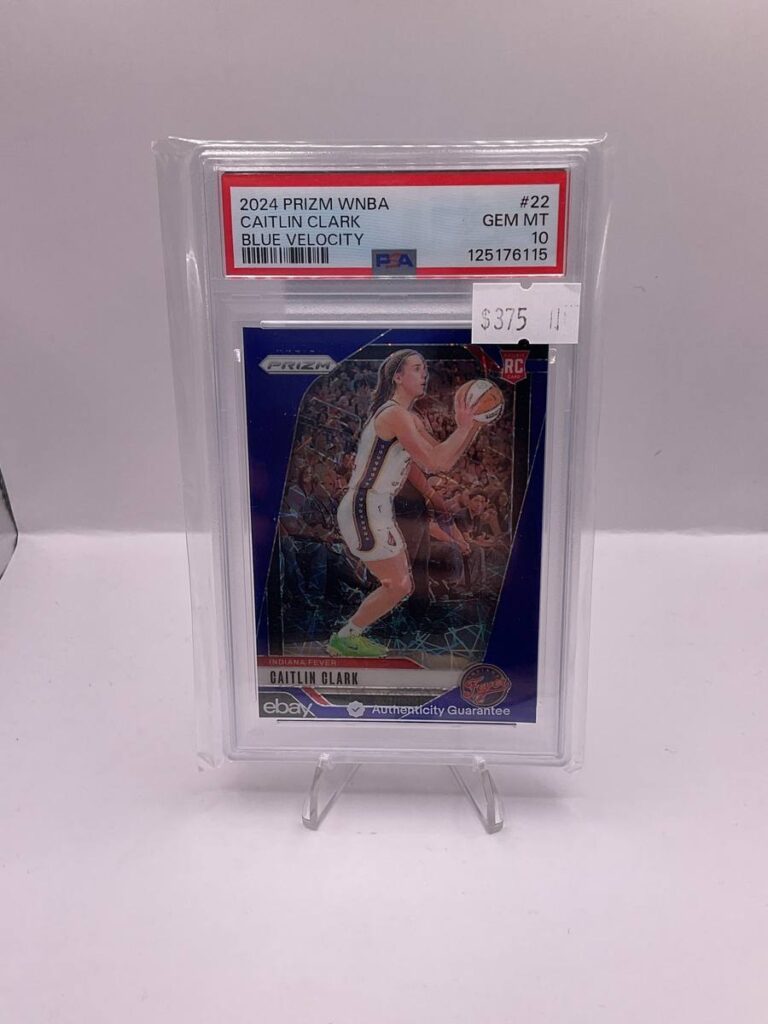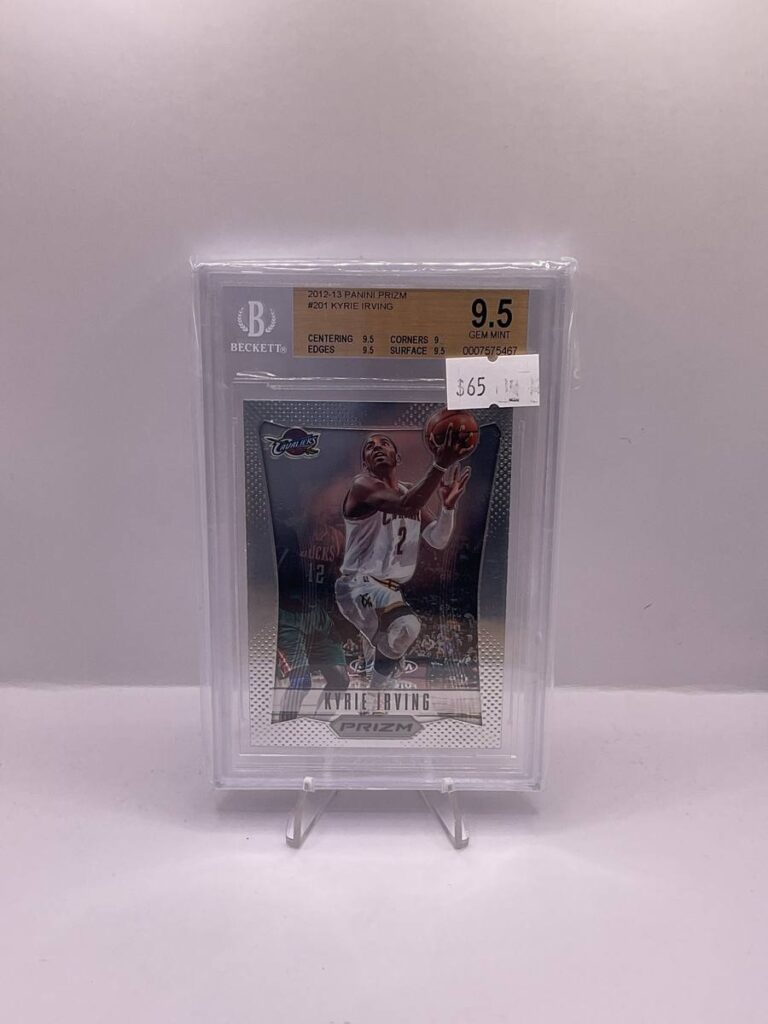
Every graded price you see online starts life as circulation handling. The difference between Near Mint and played-with is usually decided in the first month of ownership, not the last one: fingerprints on chrome, a soft corner from a fan binder, a scratch from a loose deck box. Here is the routine we run on every card that passes through our Ballymoney vault.
Step 1: penny sleeve, always
The humble penny sleeve is non-negotiable. It stops surface micro-abrasion from every other layer. Use acid-free, PVC-free sleeves only — cheap sleeves haze chrome stock over time, and on Prizm or Topps Chrome a haze line is a grade killer. Slide the card in top-first; if you are sleeving an auto or a relic, never force the seam over the patch window.
Step 2: rigid holder for anything with resale intent
Top loaders for most cards, semi-rigids if the card is heading to grading. A top loader should be one size up from snug — over-tight holders flex the card. Tape the top with painter’s tape only: regular tape adhesive wicks into the seam and shows up under blacklight at grading intake.
Step 3: environment beats containers
Cards die quietly: direct sunlight fades inks in weeks, radiators warp premium stock, and a damp box smells like money called insurance. Store binders upright, boxes flat, and keep the room boring — cool, dry, dark. The £40 binder is pointless if it lives on a windowsill. Spend on sleeves first, rigidity second, binders third — and you will pull Pack Fresh more often than you pull regret.